Wildlife.
Although we respect and care about all animals, RSPCA Suffolk Central is not a wildlife rescue centre and does not have the specialist facilities or expertise to care for wildlife.
Find out how to get help for sick and injured wildlife below.


Expert care
Wild animals and birds often need expert care to give them the best chance of survival, and we can all play an important part in helping to get them the best care as soon as possible. Where it’s safe to do so, transporting the animal yourself to a vet or wildlife centre will get them the help they desperately need in the quickest possible time.

Wildlife rescue centre
Your nearest RSPCA wildlife rescue centre is RSPCA East Winch Wildlife Centre. For more information on East Winch visit the link below or call 0300 123 0709.

Help wildlife
If you are concerned about sick or injured wildlife, or want to find out how you can help wildlife, please visit the link below for the most up-to-date guidance on how to help.
SEASONAL ADVICE
Autumn/winter wildlife tips
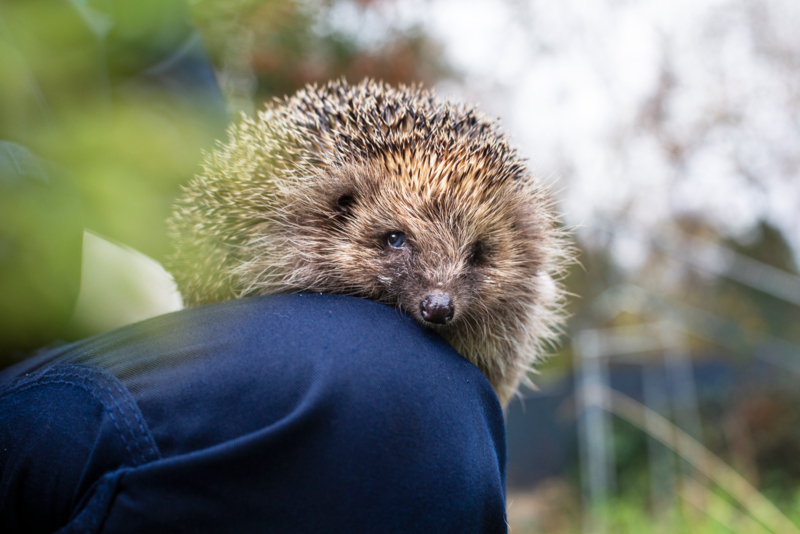
With autumn here animals will be seeking warmer places to rest, so there’s essential checks you need to make to avoid disturbing or injuring them.
As piles of leaves gather on the ground, hedgehogs especially enjoy nestling into them for coverage and warmth. Frogs and mice do too!
We urge you to be careful with tools, bonfires, or fun leaf piles that children enjoy jumping in to in case a small creature has found safety in there. Always carefully check first.
Your garden may be dying back as the colder weather approaches, but dried plants, fallen leaves, stalks that once resembled a flower are all essential hiding spots for insects and wildlife, offering them a place to hide from the weather and predators over winter.
Consider leaving some tidy up jobs for the spring and give wildlife a place to live this winter.
Garden Wildlife Awareness
Wildlife friendly gardening
UK wildlife is under threat, but we all have the power to change that.
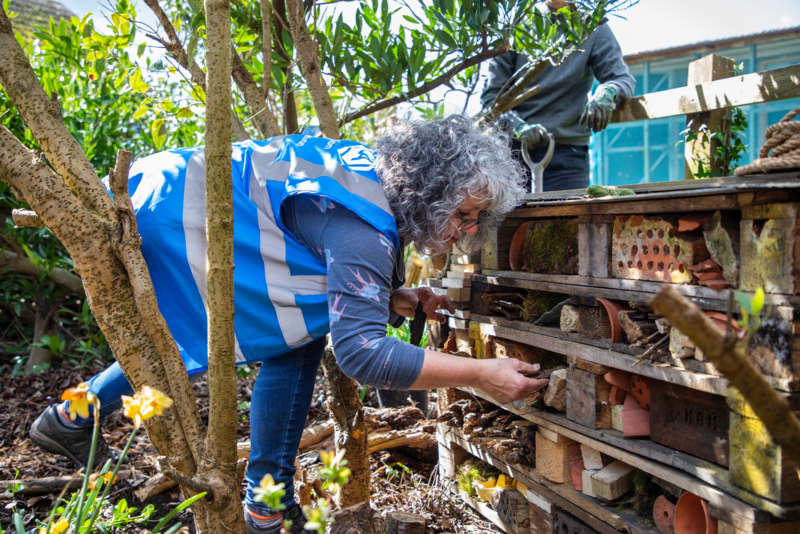
The RSPCA has created a range of easy-to-do wildlife activities and help welcome wildlife into your garden. You can make a difference, no matter how little the space you have.
- Build a bug hotel
- Make a wildlife rescue box
- Make an eco bird feeder
You can also keep your garden safe for wildlife by:
- Removing netting – put sports nets away after use, keep nets over veg/ponds pulled tight and check them regularly to prevent animals getting tangled
- Before you cut back trees and shrubs, strim long grass or clear garden waste please make sure no animals are sheltering there. Always check bonfire piles before lighting.
- Avoid using pesticides and weed killer in your garden as this can destroy habitats – use natural, organic methods instead.
How else can I help animals?
There are many other ways you can help animals in need, from rehoming, to sponsoring a kennel or cat pen, or getting involved as a volunteer.


